
Historic Records for Union City Addresses
Different sources answer different parts of an address-history question. The recorded deed trail follows ownership. Historical address directories and newspapers can supply household clues for a particular date. Maps describe the place rather than the people. Start with the era that is already known, then add only records that identify the same address or legal parcel. The following table separates verified coverage from channels whose beginning dates were not located.
| Source | Years it covers | Where held | What it shows |
|---|---|---|---|
| Hudson County deed index | Online beginning year not located | AcclaimWeb and Register search room | Grantor, grantee, instrument, recording date, legal description, and consideration where recorded |
| LOC Union City street-address directories | 1946; 1954; 1956-1958 | Library of Congress holdings guide | Address-to-occupant or householder clues |
| 1936 Sanborn map volume | 1936 | Library of Congress | Building footprint, use, construction detail, and street context |
| New Jersey Room directories | Jersey City/Hoboken 1849-1925 | Jersey City Public Library New Jersey Room | Nearby historical names, addresses, businesses, and household context |
| Jersey Journal and library indexes | 1867-2025; index runs 1912-1954 and 1969-present | Union City and Jersey City library resources | Obituaries, notices, advertisements, school items, and address mentions |
| New Jersey State Archives collections | Older historical periods vary by record set | Archives search, microfilm, and mail research | Vital, naturalization, court, manuscript, and related historical research |
Union City has no verified public city permit database in the research record. For an address-specific permit or code file, use the Building Department form and request path, then the City Clerk's OPRA channel if the record is not published. The records are complementary. A transfer can identify a recorded owner without naming everyone who lived at the address.
Union City Deed Records and Past Households
Hudson County AcclaimWeb Official Records Search is the central recorded-instrument route for a Union City address. Its observed search modes include Name, Book/Page, Instrument Number, Legal Description, Document Type, Consideration, and Record Date. For an address trail, begin with block and lot or the legal description when available. Record the document type, recording date, instrument number or book and page, consideration, and each party role. A deed is a transfer record, not a resident roster.
AcclaimWeb requires JavaScript and cookies. The Register reports that its records are indexed on computer and in hard copy for public inspection, so the Hudson County Register of Deeds and Mortgages search area is the documented fallback when the online result is incomplete. The Register lists search-area hours of Monday through Friday, 9:00 a.m. to 2:00 p.m. Its office is at 257 Cornelison Avenue, second floor, Jersey City. Confirm current access details before visiting.
The AcclaimWeb search interface shows the several ways a recorded instrument can be located.
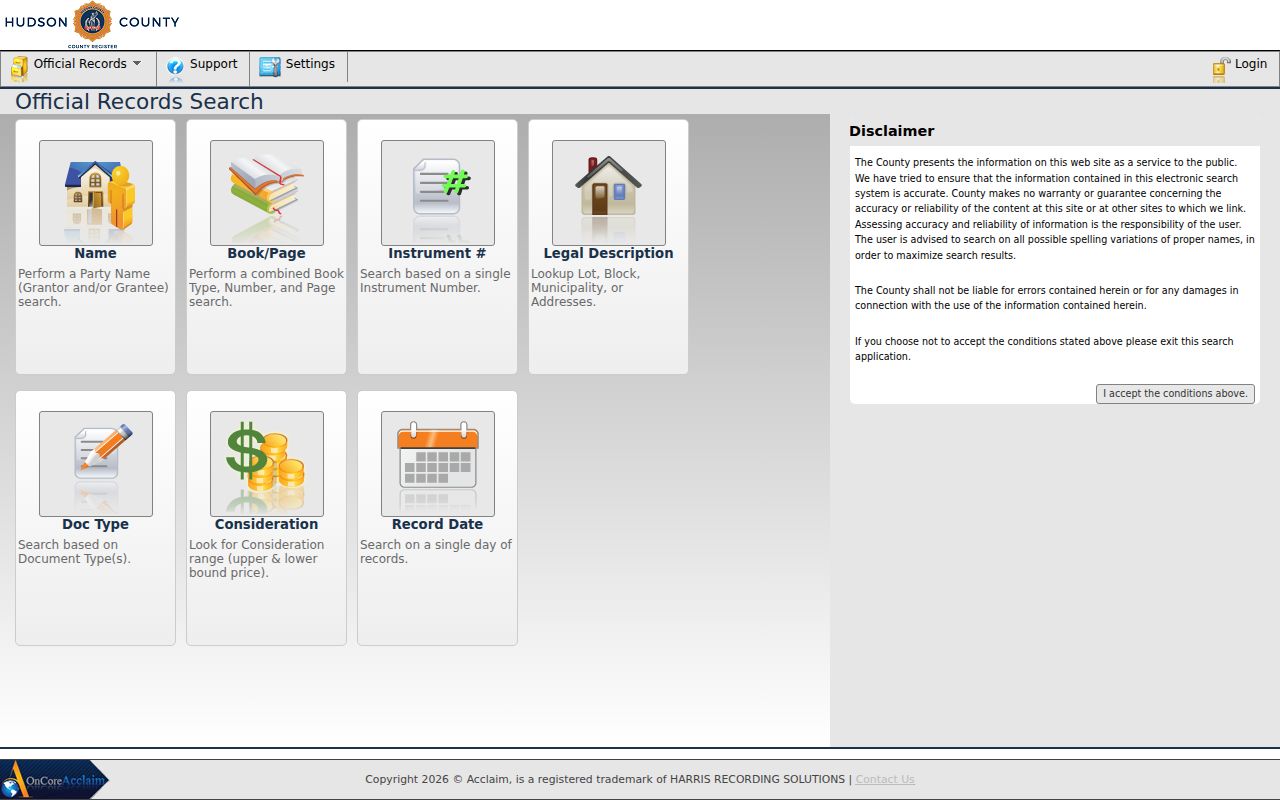
Use legal-description and party results together when the address is abbreviated, omitted, or shown under an older municipal label.
The Register's free Recording Notification Service is useful only after enrollment. It sends alerts for documents recorded after signup by exact name and name variants. It does not search prior recordings, so it cannot replace the backward chain needed for past residents.
Union City Address Labels Before 1925
Before 1925, an address or family tied to Union City may be indexed as Union Hill, Town of Union, West Hoboken, or Hudson County. Search each relevant name in deed indexes, directories, newspapers, vital indexes, and Archives catalogs. The city's history reports the consolidation of Town of Union or Union Hill and West Hoboken on June 1, 1925. A state municipal-history table gives January 1, 1925. Preserve both official presentations in notes around the transition instead of treating the modern name as the only valid search label.
City history gives another useful term: the Dardanelles, around Central Avenue and 23rd through 27th Streets in the 1890s. Search the historic neighborhood name with an address, surname, church, school, or newspaper term. A label can find a source that a modern city search misses, but it does not alone identify a person or prove a boundary.
Note: No verified Union City street-renumbering project or exact renumbering year was located, so use variants without inventing a renumbering explanation.
Union City Address Directories
The Library of Congress street-address directory guide confirms Union City volumes for 1946, 1954, and 1956-1958. These are particularly useful when the starting point is a street number rather than a name. Look for the address, note the person or householder clue, and capture the publisher key before interpreting abbreviations. A directory date may lag or lead a move, so compare the result with a deed, newspaper item, census-era source, or another dated record.
The exact published fields in a Union City page image were not verified in the research pass. Potential entries can include a surname and given name, occupation, spouse or household marker, street and house number, business address, telephone, cross-reference abbreviation, publisher year, and page. Treat each as a possible field until the actual page confirms it. An owner or renter indicator should never be supplied from memory or inferred from an address listing.
The Library of Congress listing documents the address-directory years used for a historical Union City address search.
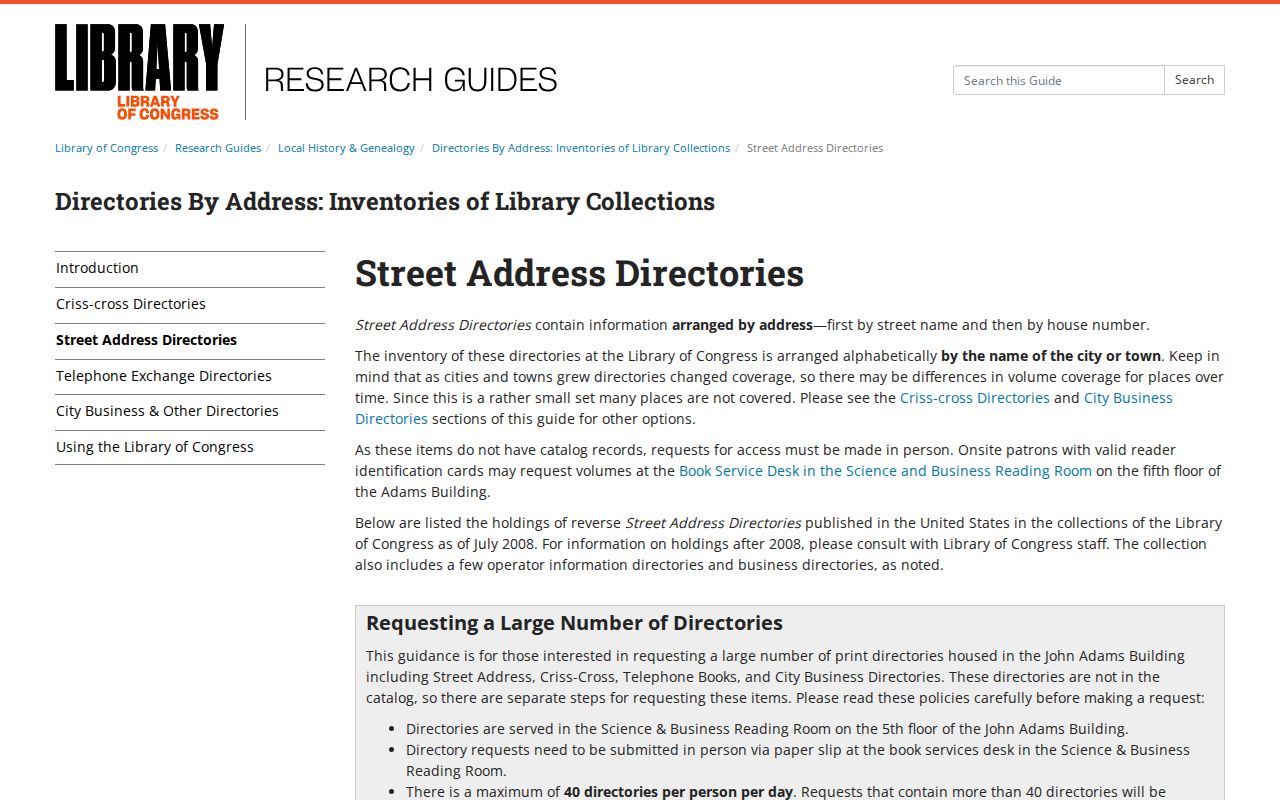
Once an entry is verified, nearby house numbers and the street spelling can guide a newspaper or parcel search without presuming every nearby person lived in one household.
Union City Address History on Sanborn Maps
The 1936 Hudson County Sanborn volume has 84 sheets and includes Union City. For house history, it can test whether a building footprint, use, rear structure, church, business, or street context fits the date of a directory or deed. Fire-insurance maps make the setting more concrete when street labels and parcel shapes change over time.
Sanborn sheets do not name the occupants. They are not an alternative people directory. Compare a map sheet to a recorded legal description, historical address directory, newspaper item, or assessment record, and note the map year on every citation. The same limit applies to Library of Congress HABS documentation for the William Alcorn House and Cyrus S. Browning House: architectural documentation can anchor a building history, but not prove a continuous household chain.
Trace Union City Past Owners Through Deeds
A chain of title is the recorded-transfer path for a parcel. It is stronger when each link uses the legal description as well as the street address. The Union City Tax Department links assessment and tax lookup tools, while the New Jersey property search describes local assessor data with block, lot, location or owner information, assessment values, and property class. A tax mailing address can sit outside Union City, so keep it separate from the parcel situs.
- Start with the parcel's visible current details, especially the street address, block, lot, situs, and legal description where available.
- Search AcclaimWeb by legal description, address, or the current owner as grantee, then record the purchase instrument and the seller.
- Search that seller as a grantee to find the earlier acquisition, and compare block, lot, legal description, document type, and date.
- Repeat the backward review one recorded transfer at a time. Preserve every instrument number or book and page reference.
- When the web result does not reach the needed period, ask the Register to use its computer and hard-copy indexes rather than assuming a fixed online cutoff.
- Grantor
- The party transferring or conveying an interest in the recorded instrument.
- Grantee
- The party receiving that recorded interest. In a backward search, that earlier buyer can lead to an older deed.
- Chain of title
- The sequence of recorded transfers tied to the same legal parcel. It does not identify every occupant.
- Legal description
- The block, lot, municipality, or other parcel wording used to identify land in a recorded instrument. It is often more stable than an old street form.
Pair Union City Households with Newspapers
Ownership is only one part of who lived here before. After a deed link is established, pair the closest directory year with a census-era source, school yearbook, obituary, or newspaper notice. The New Jersey Room has Hudson County newspapers, maps, photographs, manuscripts, and nearly 1,500 high-school yearbooks. Union City Public Library's newspaper resources include Jersey Journal coverage and search products. A yearbook or obituary can supply a date and family clue, but must be connected back to the address with a separate source.
Use a simple sequence: directory address or deed date, nearest census-era context, newspaper name or street search, then a vital-record or court/probate channel if the family question requires it. A deed grantee or an obituary survivor is a lead, not proof of an heir. The historical shelves themselves are covered in the Union City city directory collections, so use the volume and citation rather than copying a vague summary.
Note: A property owner, old directory hit, or newspaper mention does not by itself prove that a person occupied the address on a later date.
Union City Archives for Address History
When the online chain ends, the New Jersey State Archives supplies another documented path through its genealogical search tools, microfilm, and mail-research options. It holds older vital-record periods before modern Department of Health custody, as well as naturalization, court, manuscript, and other historical collections. This is especially useful when a name or address is indexed under Union Hill or West Hoboken.
For a city-held construction, inspection, or code record that is not publicly searchable, contact the Union City Building Department for the applicable form or address-specific record request. The City Clerk is the municipal records-custodian route for a specific OPRA request. A written request needs enough detail for the custodian to identify the record. It does not create a missing database or open information the law protects.
The State Archives research portal provides the verified archival channel for older Union City address questions.
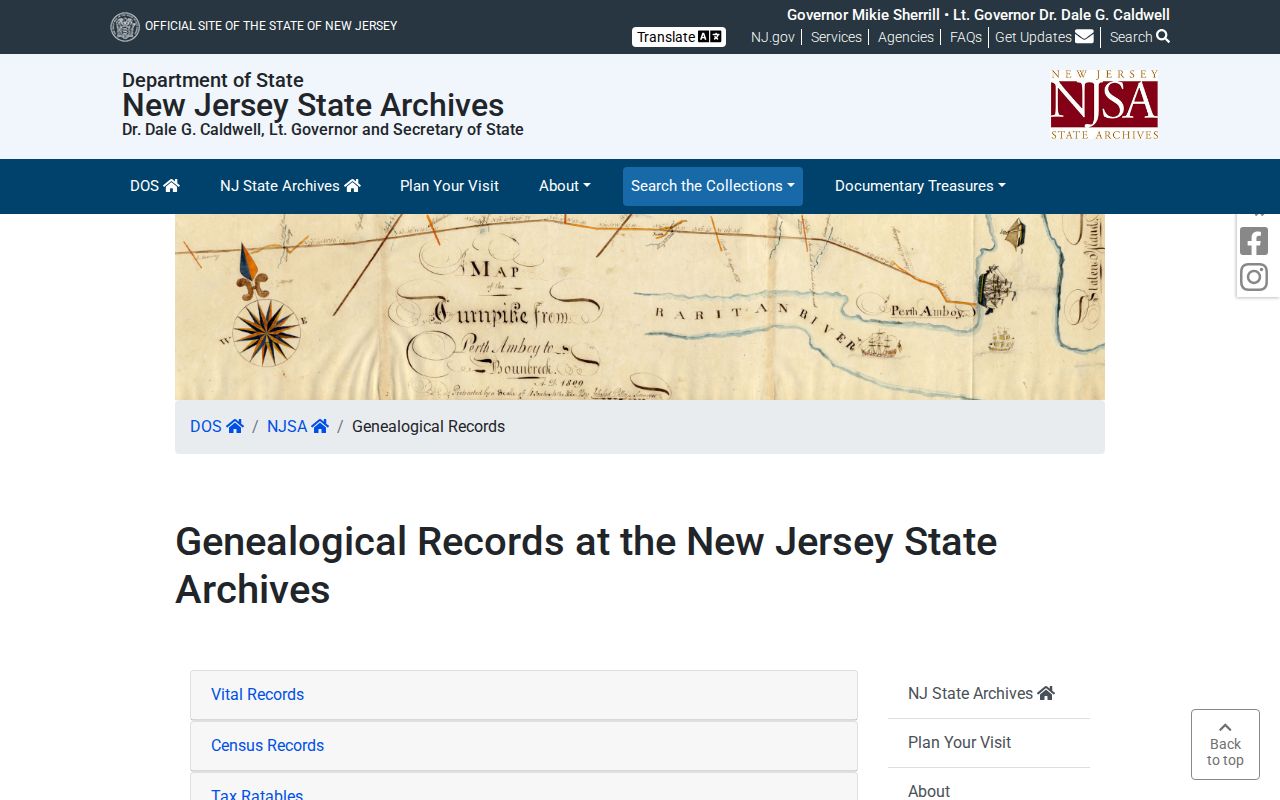
Keep the address, former municipal name, record series, page or instrument reference, and date together so an archive response can be checked against the deed and directory trail.